Silo Structural Inspection: Signs That Your Industrial Silo Needs Repair
20/09/2026
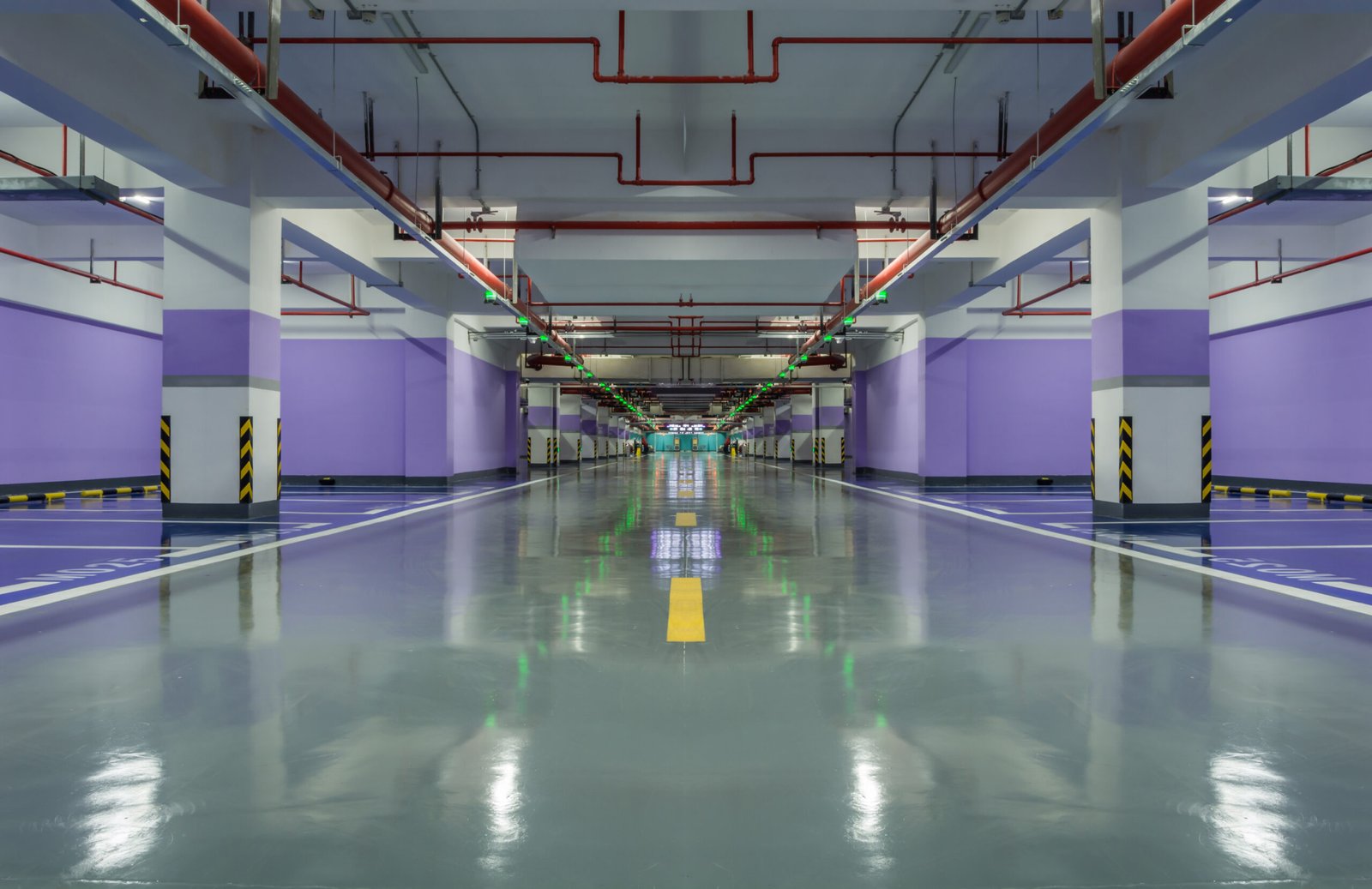
Manufacturing plants put floors through daily stress that regular concrete cannot handle. Heavy machines, chemical spills, and constant foot traffic wear down surfaces fast. This is why industrial epoxy flooring has become the standard choice. This blog explains what epoxy flooring is, why manufacturing plants need it, and where it works best.
Industrial epoxy flooring is a durable, chemical-resistant coating applied over concrete floors in factories and manufacturing units. It protects against heavy loads, spills, and abrasion while offering a smooth, hygienic, and long-lasting surface. Manufacturing plants use it in production floors, warehouses, and chemical storage areas.
Epoxy flooring is a resin-based coating system applied in layers over a concrete base. The resin bonds tightly with the floor, creating a hard, seamless surface. Unlike paint, epoxy is not just a surface layer. It chemically bonds with concrete, making it far more durable under heavy industrial use.
Regular concrete floors crack, dust, and stain quickly under industrial conditions. Manufacturing plants deal with forklifts, chemical spills, and heavy equipment daily. Epoxy flooring solves these problems by creating a tough protective layer. It resists abrasion, chemicals, and impact far better than bare concrete.
Manufacturing units gain several practical advantages by switching to epoxy resin flooring. Here are the major ones.
High durability: Withstands heavy machinery, forklift traffic, and constant foot movement without cracking
Chemical resistance: Protects against oils, acids, solvents, and industrial chemicals common in factories
Seamless surface: No joints or gaps means no place for dust, bacteria, or liquid to collect
Easy maintenance: Smooth surface is simple to clean and requires minimal upkeep
Improved safety: Anti-slip additives and bright colors improve visibility and reduce workplace accidents
Cost effective: Long service life reduces the need for frequent floor repairs
Not all epoxy systems are the same. Manufacturing plants choose the type based on their specific operational needs.
| Type | Best Suited For |
| Self-leveling epoxy | Areas needing a smooth, flat finish |
| Epoxy mortar flooring | Heavy load zones like loading docks |
| Anti-static epoxy | Electronics and pharmaceutical manufacturing |
| Epoxy flake flooring | Areas needing extra slip resistance |
| Epoxy terrazzo | Spaces requiring a decorative finish |
Epoxy flooring fits a wide range of industrial spaces. Its versatility is one of the biggest reasons manufacturers prefer it. Production floors benefit from epoxy’s resistance to oil spills and constant equipment movement. Warehouses use it to handle heavy racking loads and forklift traffic without surface damage. Chemical storage areas rely on epoxy’s resistance to corrosive substances. Food processing units choose it for its hygienic, seamless, and easy-to-clean surface.
A proper installation ensures long-term performance. Skipping steps often leads to peeling or bubbling within a short time.
Surface preparation: The concrete floor is ground and cleaned to remove dust, oil, and old coatings
Repairing cracks and holes: Any surface damage is fixed using appropriate fillers
Priming: A primer coat improves bonding between concrete and epoxy
Applying epoxy base coat: The main resin layer is applied evenly
Adding texture or flakes: If needed, anti-slip or decorative elements are added
Top coat sealing: A final protective layer adds gloss and extra durability
With correct installation and moderate use, industrial epoxy flooring typically lasts between 10 and 20 years. Heavy traffic areas may need a top coat refresh sooner. Proper surface preparation matters more than most people realize. A rushed installation reduces lifespan significantly, regardless of material quality.
Plain concrete floors dust easily, absorb spills, and crack under heavy loads over time. Epoxy flooring eliminates these issues with a sealed, resistant surface. The initial investment in epoxy is higher than bare concrete. However, the reduced maintenance and repair costs make it more economical over the years.
Not every contractor delivers quality results. Look for experience with industrial projects, proper surface preparation methods, and use of trusted material brands. Ask about warranty coverage and past project references before finalizing any contractor for your plant floor.
Fix and Fine specializes in self-leveling and epoxy flooring solutions for industrial and commercial spaces across India and Dubai. With 17+ years of experience, ISO 9001:2015 certification, and status as an approved applicator of MAPEI and other leading construction chemical brands, our team delivers durable, chemical-resistant floors built for real manufacturing demands. Contact us for a free site visit and a floor that lasts. Ready to upgrade your factory floor? Fix and Fine delivers durable, chemical-resistant epoxy flooring solutions built for real manufacturing demands, backed by 17+ years of experience and ISO 9001:2015 certification. Contact us today for a free consultation and give your plant a floor that truly performs.
The main benefit is durability. Epoxy flooring resists heavy machinery, chemical spills, and constant traffic far better than plain concrete floors.
Yes, epoxy flooring resists corrosive chemicals, oils, and solvents, making it a reliable choice for chemical storage and processing areas.
Installation typically takes 3 to 7 days depending on floor size, surface condition, and the number of coating layers required.
No, epoxy flooring only needs regular sweeping and occasional mopping, since its seamless surface resists dust, stains, and bacteria buildup.
Yes, but damaged areas must be repaired and the surface properly ground first, otherwise the epoxy coating will not bond correctly.