How Professional Waterproofing Protects Buildings from Long-Term Damage

Introduction 

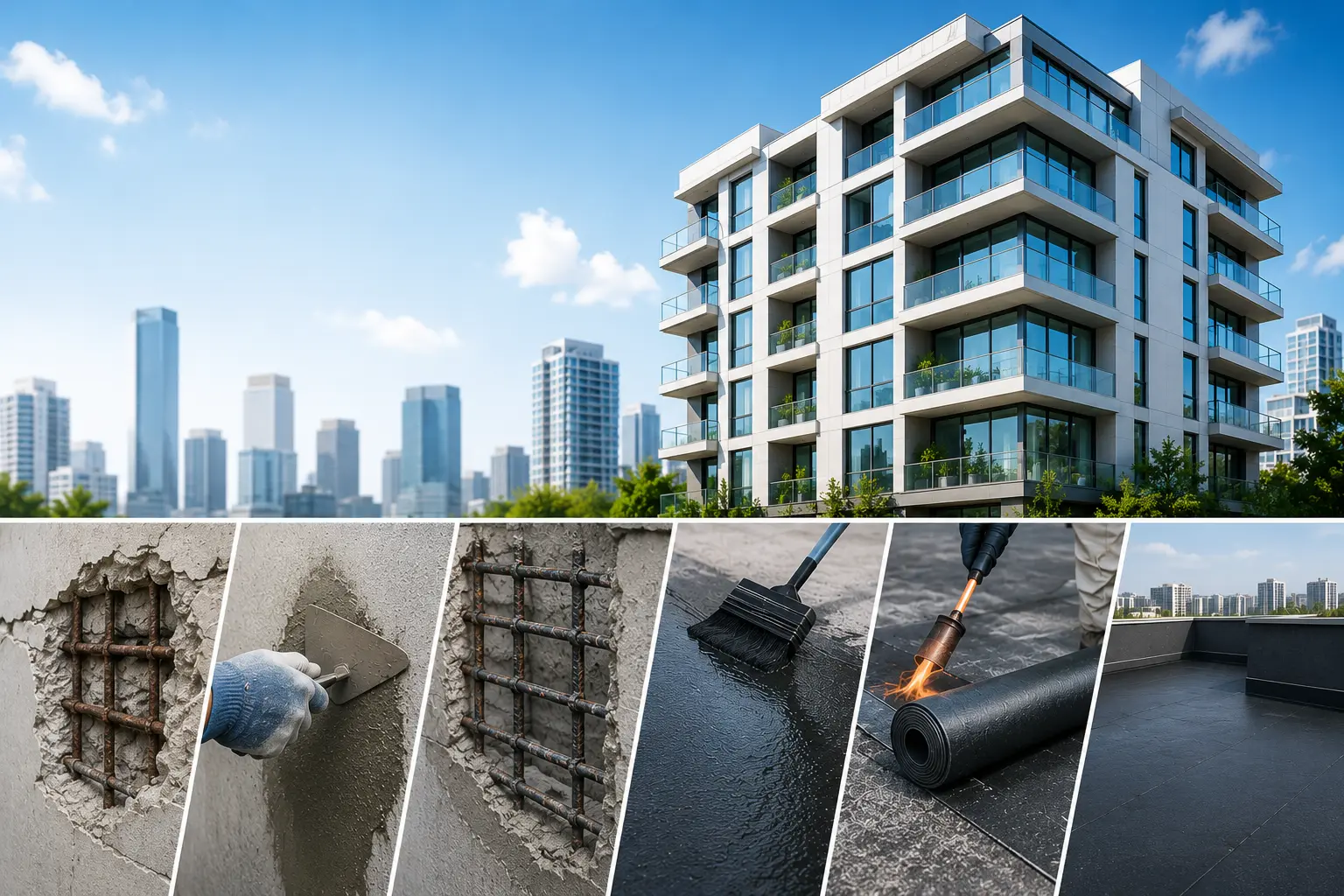
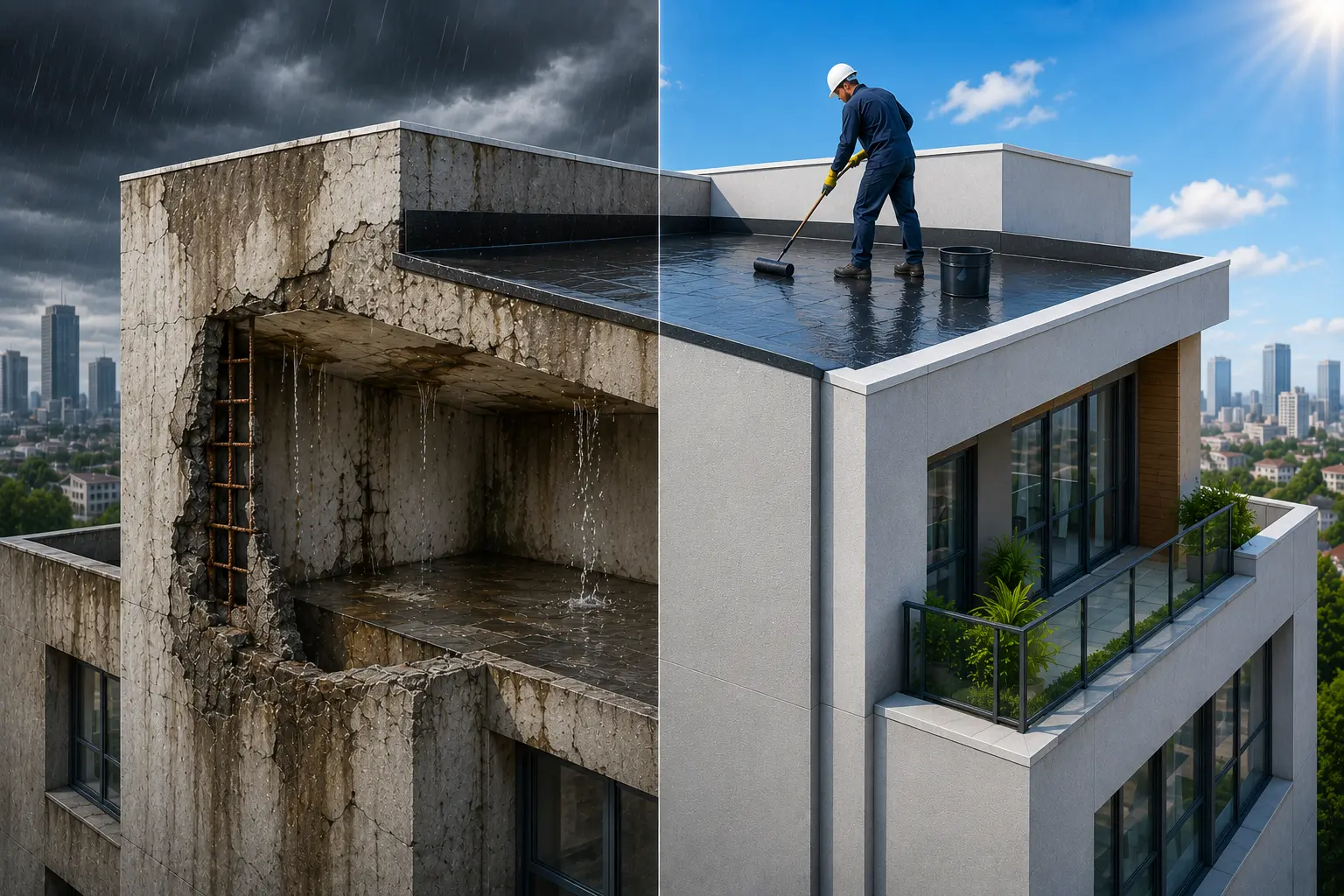
Water damage is one of the most common and destructive problems faced by buildings and infrastructure projects. Whether it is a residential property, commercial complex, or industrial facility, water seepage can slowly weaken the structure and create serious maintenance challenges. 

Common Causes of Water Leakage 

Water can enter buildings through roofs, terraces, walls, basements, bathrooms, and construction joints. Cracks in concrete surfaces, damaged waterproofing layers, poor drainage systems, and environmental exposure are some of the major reasons behind leakage problems. 

Importance of Terrace and Basement Waterproofing 

Terrace waterproofing is one of the most important waterproofing applications because terraces remain directly exposed to rainwater and sunlight throughout the year. Basement waterproofing is equally important, especially in areas with groundwater pressure or heavy rainfall. 

Modern Waterproofing Technologies 

Modern waterproofing technologies offer highly effective solutions for different types of structures. PU coating systems are widely used because they provide flexibility and strong waterproof protection. Crystalline waterproofing systems penetrate deep into concrete and block water movement internally. 

Benefits of Professional Waterproofing 

Apart from structural protection, waterproofing improves indoor comfort and hygiene. Damp walls and ceilings can create unhealthy living and working conditions by encouraging mold and fungal growth. Proper waterproofing also helps reduce long-term maintenance costs. 

Conclusion 

Waterproofing is not just a protective measure — it is an investment in the safety, durability, and long-term performance of a building. Choosing experienced waterproofing professionals ensures reliable protection and peace of mind for property owners. 
Benefits of Industrial Flooring for Modern Commercial and Industrial Spaces

Introduction 

Industrial and commercial facilities require strong, durable, and reliable flooring systems that can handle continuous operational pressure. Standard flooring surfaces often fail in industrial environments because they are not designed to withstand heavy machinery, chemical exposure, moisture, and constant movement. This is why industrial flooring solutions have become an important part of modern infrastructure development. 

What Is Industrial Flooring? 

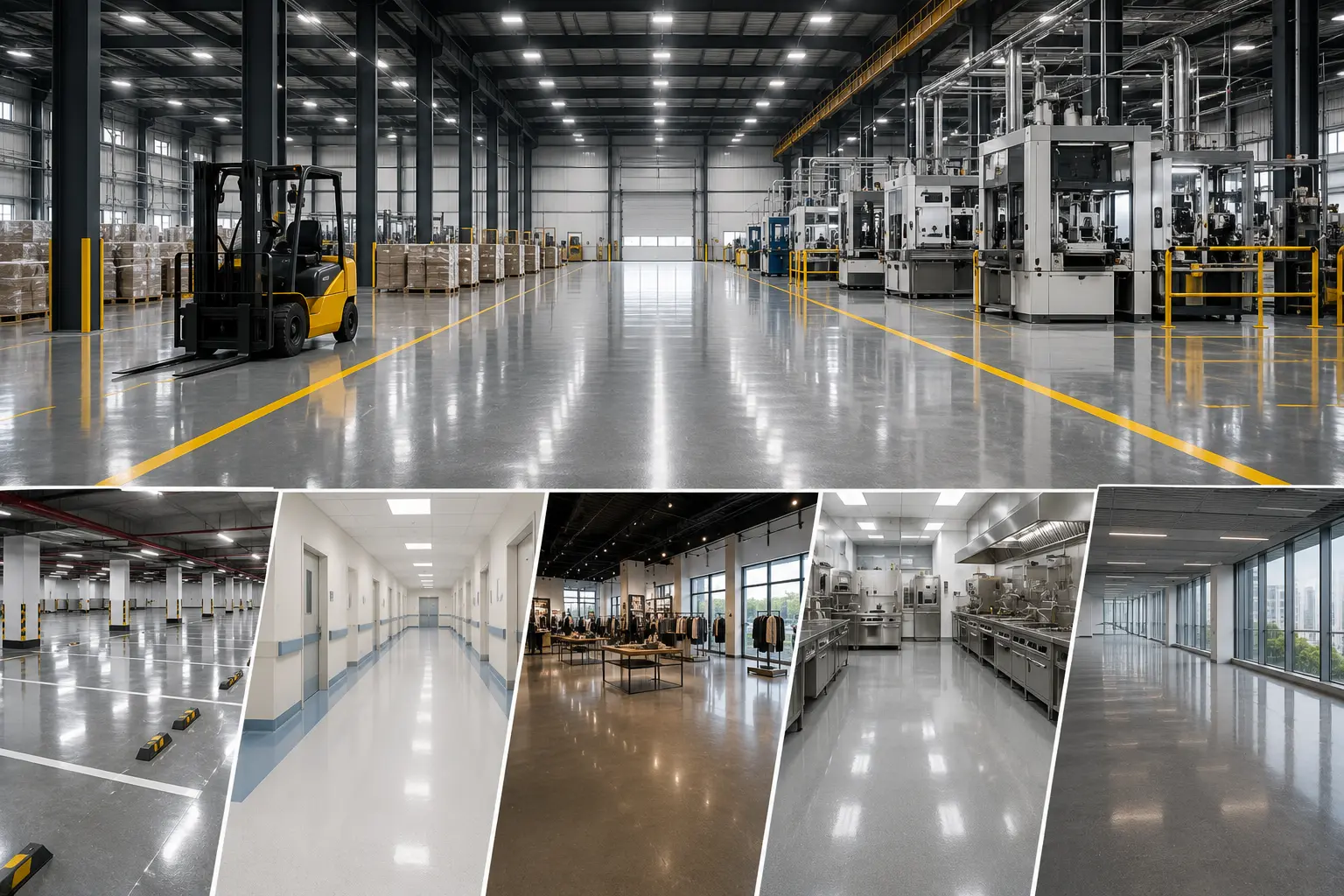
Industrial flooring is specially designed to provide strength, safety, and long-lasting performance in demanding environments. Industries such as manufacturing plants, warehouses, pharmaceutical facilities, food processing units, parking areas, and commercial buildings all require flooring systems that can tolerate heavy-duty usage while remaining easy to maintain. 

Popular Industrial Flooring Systems 

One of the most commonly used industrial flooring systems is epoxy flooring. Epoxy coatings create a smooth and durable surface that resists chemicals, abrasion, and impact. Another advanced solution is polyurethane or PU flooring, which offers excellent flexibility and thermal resistance, making it ideal for industries exposed to temperature fluctuations and moisture. 

Improving Workplace Safety 

Industrial flooring also plays a major role in workplace safety. Slip-resistant flooring systems help reduce accidents and create a safer environment for employees and workers. In industries where chemicals and oils are regularly used, anti-slip and chemical-resistant flooring becomes extremely important. 

Long-Term Cost Benefits 

One of the biggest advantages of industrial flooring is reduced maintenance cost. Traditional flooring surfaces often develop cracks, dust problems, and surface damage over time. Industrial flooring systems are designed for long-term performance, reducing the need for frequent repairs and maintenance. 

Conclusion 

As industries continue to modernize, the demand for durable and high-performance flooring systems is growing rapidly. Industrial flooring is no longer just a surface layer — it is a long-term investment in safety, efficiency, and operational reliability. 

Why Structural Repair and Waterproofing Are Essential for Modern Buildings

Introduction 

Modern buildings and industrial structures are constantly exposed to harsh weather conditions, moisture, heavy operational loads, and environmental damage. Over time, these factors can weaken the structure and create serious maintenance issues. Small cracks, water leakage, damp walls, and corrosion may initially appear harmless, but if ignored, they can slowly damage the overall strength of a building. This is why professional structural repair and waterproofing solutions have become extremely important for residential, commercial, and industrial projects. 

Importance of Structural Repair 

A properly maintained structure not only lasts longer but also ensures better safety for occupants and workers. Structural repair solutions are designed to restore the original strength of damaged concrete, walls, beams, columns, and slabs. Advanced repair methods such as epoxy injection, concrete jacketing, and carbon fiber wrapping are now widely used because they provide durable and long-lasting results without requiring complete reconstruction. 

Why Waterproofing Matters 

Waterproofing is another critical part of modern construction maintenance. Water seepage is one of the biggest reasons behind structural deterioration. When water continuously enters walls, roofs, or foundations, it weakens the concrete and corrodes steel reinforcement inside the structure. Over time, this can lead to major safety risks and expensive repair costs. Professional waterproofing systems help protect buildings from these problems while improving durability and reducing future maintenance expenses. 

Advanced Waterproofing Solutions 

Today, modern waterproofing solutions include PU coating systems, crystalline waterproofing, terrace waterproofing, roof waterproofing, and basement protection systems. These advanced techniques create a protective barrier that prevents moisture from entering the structure. Waterproofing not only protects the building but also improves indoor comfort by reducing dampness, leakage, and mold growth. 

Benefits for Industrial and Commercial Projects 

Industrial and commercial properties especially require strong repair and waterproofing systems because they are exposed to heavy operational stress every day. Factories, warehouses, commercial complexes, and infrastructure projects need long-term protection to maintain operational efficiency and structural safety. Professional engineering companies use advanced equipment, skilled technicians, and premium-quality materials to deliver reliable repair and waterproofing solutions. 

Conclusion 

In today’s construction industry, structural repair and waterproofing are no longer optional maintenance activities. They are essential investments that help buildings remain strong, safe, and protected for many years. Choosing experienced professionals ensures better quality, longer durability, and complete peace of mind for property owners and businesses.