Carbon Fiber Wrapping for Beams and Slabs: When Is CFRP Strengthening Required?
26/09/2026
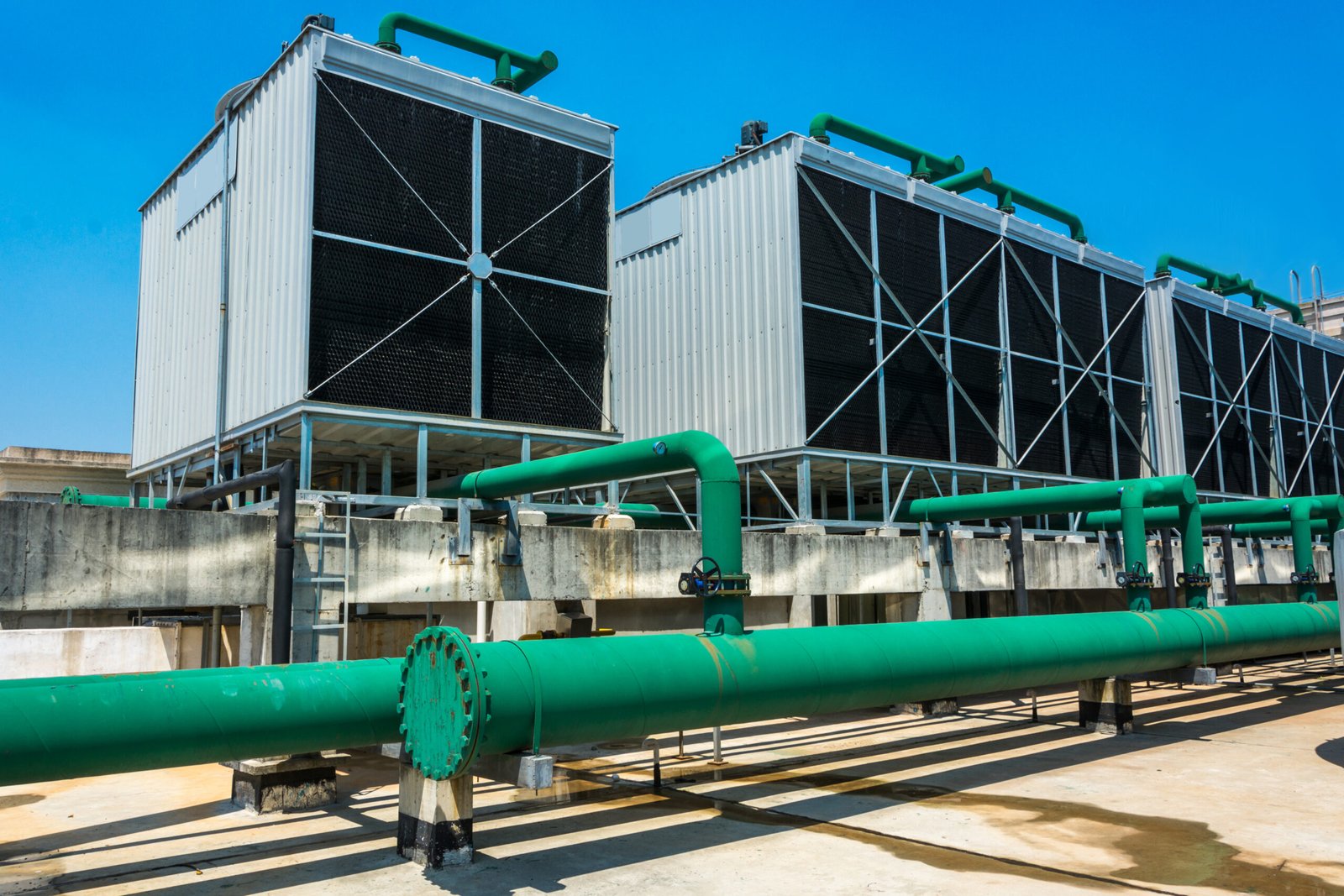
Cooling towers work in one of the harshest environments on any industrial site. Constant moisture, chemical exposure, and temperature swings slowly damage the concrete structure. Understanding cooling tower concrete repair early can save your plant from costly shutdowns. Many facility managers ignore small cracks until they turn into major structural problems. This blog explains why cooling towers deteriorate and how proper concrete repair methods protect your investment.
Cooling tower concrete deteriorates mainly due to constant water exposure, chlorides, and carbonation attacking the reinforcement steel inside. This causes cracks, spalling, and rebar corrosion. Timely repair using epoxy injection, micro-concrete, and corrosion inhibitors restores strength and extends the tower’s service life by many years.
Cooling towers stay wet almost all the time. This constant moisture creates the perfect condition for concrete deterioration. Add chemical treatments used for water quality, and the concrete faces an even tougher fight. Over years, this combination weakens the structure from the inside.
Cracks rarely appear without a reason. Here are the common causes engineers identify during structural inspection:
Even small cracks let water reach the reinforcement steel inside. This is where the real trouble begins.
Spalling happens when chunks of concrete break away from the surface. It looks alarming, and it should, because it signals deeper damage underneath. When rust forms on steel bars inside concrete, it expands. This expansion pushes against the surrounding concrete until it cracks and falls off. Spalling is not just a cosmetic issue. It exposes more steel to air and moisture, speeding up further damage.
Reinforcement corrosion is often the root cause behind cracking and spalling. Steel bars rust when exposed to water, oxygen, and chlorides. Cooling towers face constant chloride exposure from water treatment chemicals. This makes rebar corrosion faster compared to regular buildings. Once corrosion starts, it does not stop on its own. The steel keeps losing strength, and the structure becomes unsafe if left unattended.
| Sign | What It Means |
| Hairline cracks | Early stage, easy to repair |
| Rust stains on surface | Corrosion has already started |
| Spalled concrete chunks | Advanced damage, needs urgent repair |
| Efflorescence (white deposits) | Water is moving through the concrete |
| Exposed rebar | Severe deterioration, structural risk |
Proper repair follows a step by step method. Skipping steps often leads to repeat failures within a few years.
This process restores both strength and appearance to the structure.
Not every repair material suits cooling tower conditions. Engineers select materials that resist moisture, chemicals, and temperature changes. Common choices include epoxy injection resins for crack sealing, polymer-modified mortars for spalled areas, and zinc-rich primers for rebar protection. Crystalline waterproofing compounds are also used to block future water entry.
Delaying repair increases both cost and risk. What starts as a small crack repair can turn into a full structural retrofit if ignored. Timely action also protects worker safety. Falling concrete chunks near a working cooling tower pose real danger to plant staff.
Regular maintenance reduces the chances of major damage. Plants that follow a maintenance schedule save significantly on long-term repair costs.
Fix and Fine brings over 17 years of experience in structural repair and cooling tower rehabilitation across India and Dubai. As an ISO 9001:2015 certified company and approved applicator of MAPEI and other leading construction chemical brands, our engineers use proven methods like epoxy injection, carbon wrapping, and micro-concrete repair to restore cooling tower structures safely and on schedule. If your facility is showing signs of cracks, spalling, or rebar corrosion, get a free site inspection from our team today. Don’t let small cracks turn into major structural failures. Fix and Fine brings 17+ years of expertise, ISO 9001:2015 certification, and proven repair methods to protect your cooling tower from corrosion and spalling. Get a free site inspection today and secure your structure with lasting, professional-grade concrete repair solutions.
Cracks form mainly due to thermal cycling, vibration from mechanical equipment, poor construction joints, and constant water exposure that weakens the concrete over time.
Yes, spalling signals internal reinforcement corrosion and can lead to falling debris, reduced structural strength, and safety risks for plant workers.
Cooling towers should be inspected every six months, since constant moisture and chemical exposure accelerate concrete deterioration faster than in regular structures.
Yes, in most cases rust is removed, a corrosion inhibitor is applied, and the bar is encased in fresh micro-concrete, avoiding the need for full replacement.
With proper materials and application, a professional repair typically lasts 10 to 15 years before requiring reassessment, depending on operating conditions.