Carbon Fiber Wrapping for Beams and Slabs: When Is CFRP Strengthening Required?
26/09/2026
Cracks in walls, floors, or basements can scare any homeowner. But not all cracks need the same fix. Two popular methods are used to repair cracks: PU injection grouting and epoxy injection. Both work well, but they solve different problems. In this blog, we will explain both methods in simple words. You will learn which one suits your building’s needs.
PU injection grouting is best for leaking cracks and moving cracks. It stops water and stays flexible. Epoxy injection is best for structural cracks that need strength. It bonds concrete like glue and does not move. If your crack is leaking water, choose PU grouting. If your crack is affecting the building’s strength, choose epoxy injection for crack repair. Many contractors, including Fix and Fine, use both methods depending on the crack type and location.
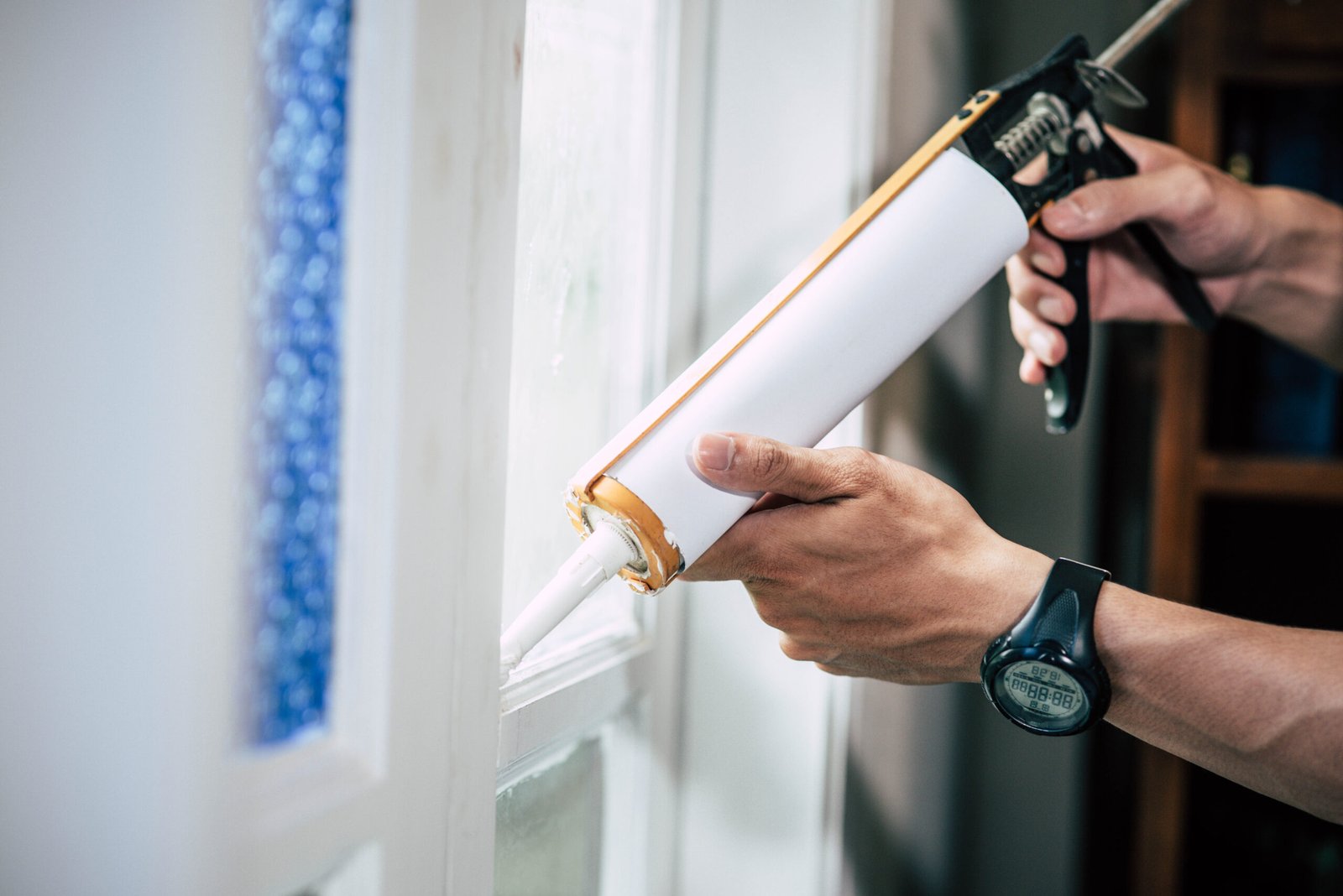
Crack injection repair means filling a crack with special liquid material. The liquid goes deep inside the crack. This liquid then hardens or turns rubbery. It seals the crack from the inside, not just the surface. This method is much stronger than simply painting over a crack. It fixes the real problem underneath.
PU injection grouting uses polyurethane resin. This chemical is injected into the crack under pressure. Once inside, the polyurethane reacts with water. It expands into a flexible, rubbery foam.
This foam blocks water completely. It also moves slightly when the building shifts or vibrates.
PU injection grouting is a top choice for waterproofing projects. It is fast, flexible, and works even in wet cracks.
Epoxy injection uses epoxy resin, a strong adhesive. It is injected into dry, non-moving cracks. Unlike PU, epoxy does not stay flexible. It hardens into a solid, rigid material. This rigid bond restores the crack’s original strength. In fact, the repaired area often becomes stronger than before.
Engineers often recommend epoxy injection crack repair for structural safety. It is the standard method for concrete crack repair in beams and columns.
| Feature | PU Injection Grouting | Epoxy Injection |
| Main use | Stops water leakage | Restores structural strength |
| Final texture | Flexible, rubbery | Hard, rigid |
| Best for | Moving or active cracks | Non-moving, dry cracks |
| Works in wet cracks | Yes | No |
| Common areas | Basements, water tanks, terraces | Beams, columns, slabs |
| Cure time | Fast (minutes) | Slower (hours) |
| Bond strength | Moderate | Very high |
This table shows why the crack type decides the right method. Structural repair experts always check this first.
Engineers first inspect the crack closely. They check if it is leaking, dry, wide, or moving. Next, they test if the crack is “live” or “dead.” A live crack still moves with temperature or load changes. For live and leaking cracks, PU grouting is chosen. For dead, dry, structural cracks, epoxy injection works better. Sometimes, both methods are used together. PU stops the water first, then epoxy restores strength. This combined approach is common in structural repair work. Companies like Fix and Fine often use this method for damaged buildings.
If you notice these signs, don’t ignore them. Small cracks can become big structural problems later.
Both PU injection grouting and epoxy injection need correct pressure and depth. Wrong application can make repairs fail quickly. Professionals use special injection ports and pumps. This ensures the resin reaches every part of the crack. Fix and Fine, with 17+ years of experience, follows strict SOPs for every project. Their engineers choose materials from trusted brands like MAPEI. This ensures long-lasting crack repair results, not temporary fixes.
PU injection grouting is generally more affordable for waterproofing needs. It requires less material and cures faster.
Epoxy injection may cost more due to higher material strength. But it saves money by avoiding future structural damage.
Choosing the right method the first time saves both time and money. Wrong repairs often need to be redone.
Both PU injection grouting and epoxy injection are excellent crack repair solutions. The right choice depends entirely on your crack type. For leaking, moving cracks, choose PU grouting. For strength-related, dry cracks, choose epoxy injection. When unsure, always consult structural repair experts. Fix and Fine offer free site inspections across India and Dubai. Getting the right diagnosis first ensures your building stays safe for years.
PU injection grouting seals leaking, moving cracks with a flexible foam. Epoxy injection bonds dry, structural cracks with a rigid, high-strength adhesive.
No, PU injection grouting is mainly for stopping water leaks. It does not restore full structural strength like epoxy injection does.
No, epoxy injection is not ideal for wet or leaking cracks. Water interferes with epoxy’s bonding, so PU grouting works better there.
PU injection grouting cures very fast, often within minutes. This makes it ideal for stopping active water leakage quickly on-site.
Epoxy injection usually costs more due to stronger materials used. PU grouting is generally cheaper and suited for waterproofing repairs.